
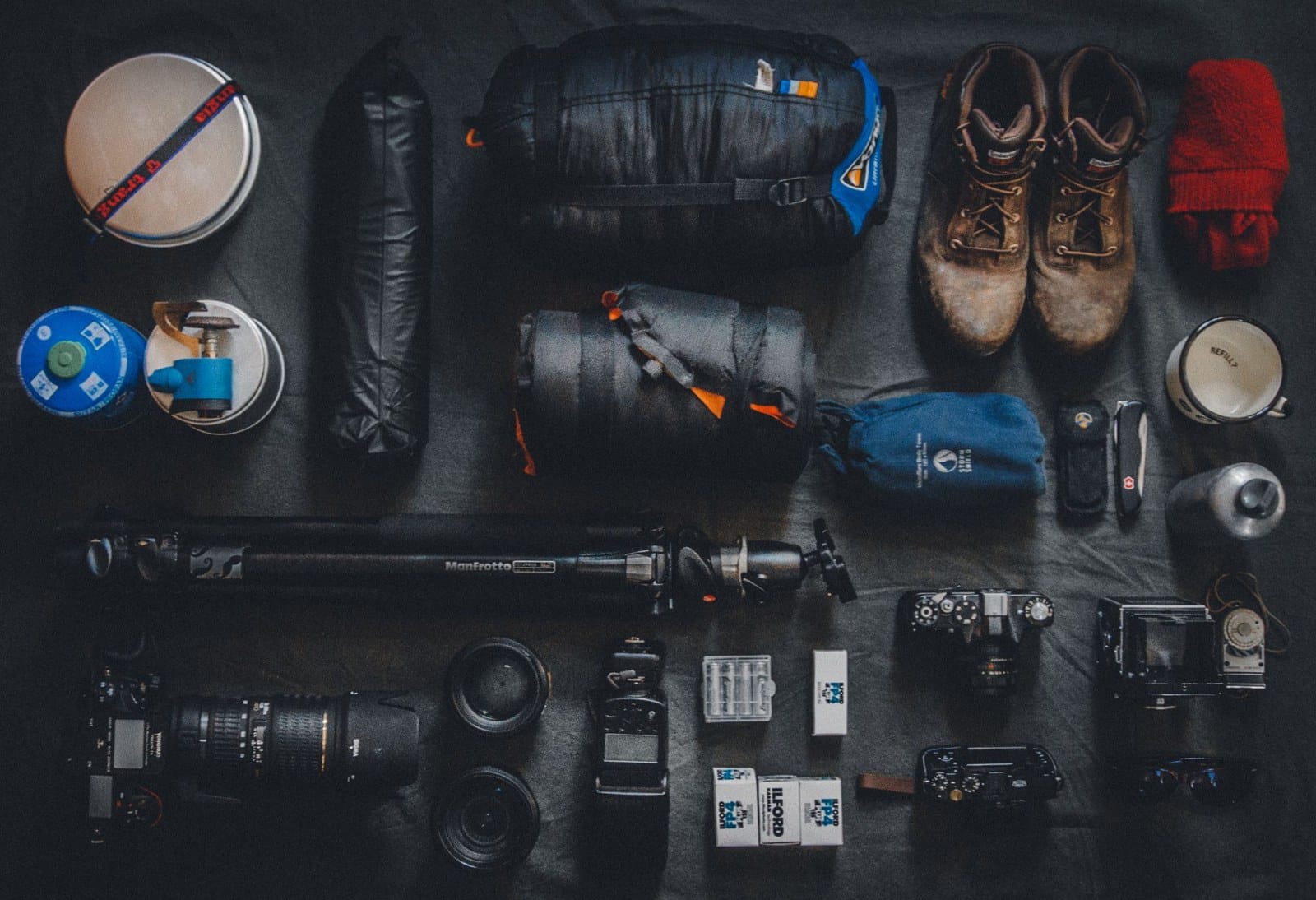
An active weekend can leave little room for a large camera bag. Walking shoes, sports clothing and the things you need for two nights away already compete for space. Add several lenses and a tripod, and the equipment can become the reason you leave the camera in your room.
Start with the photographs you expect to make, then pack the smallest familiar kit that can make them. For many short trips, that means one camera, one lens and a few practical accessories. A phone may be enough if photography is secondary to the activity.
Write a short picture list before a kit list
Think in scenes: the journey, the destination, people taking part and the quieter moments between activities. Identify which of those genuinely needs equipment beyond a phone.
A coastal walk, an evening meal and a daytime sports session make different demands. You may want a camera for action but prefer a phone at dinner. That is a useful division of labour, rather than a compromise you need to correct by buying more equipment.
For a weekend built around padel holidays, check the court timetable and venue arrangements with Padel Breaks before deciding how much camera equipment to take. Establish when you will be playing, when you could photograph, and where a bag can be stored. There is little benefit in packing a large lens for a session you will spend on court yourself.
Choose the camera you will actually carry
A familiar camera is a better starting point than an unfamiliar purchase made just before departure. Check that you can change the settings you use most often without searching through menus.
A compact camera or small interchangeable-lens body can suit a trip with plenty of walking. If you already own a larger camera and enjoy using it, the weight saving may come from taking fewer accessories rather than replacing the body.
Carry the proposed kit on a local walk before travelling. Include the water, clothing and other items that will share the bag. Something that feels light on a kitchen table can feel different after an afternoon outside.
Give each lens a specific job
A standard zoom is a useful default for a mixture of wider views, people and details. A small prime lens can be an alternative if you like working within one field of view and understand its limitations.
A second lens should solve a problem the first cannot. A longer lens may help when you must photograph from a fixed spectator position. A wider lens may suit interiors or expansive views. Neither earns its place simply because it is available.
Fujifilm’s holiday camera packing advice discusses matching lenses and accessories to the trip. Treat any suggested combination as an example: the right selection depends on your camera system, intended pictures and tolerance for carrying it.
Pack the small things that keep the camera working
A useful starting checklist is:
- The camera with one selected lens attached.
- A charged spare battery suitable for that camera.
- Enough memory-card capacity for the planned shooting.
- The correct charger or a tested compatible charging cable.
- A travel adaptor if the destination requires one.
- A clean lens cloth and a simple protective cover.
- A card reader or another tested way to copy files.
Check the manufacturer’s charging instructions before relying on a phone charger or power bank. A connector fitting the camera does not, by itself, establish that the charging arrangement will work.
Keep caps and small accessories in one pouch. They are easier to find there than scattered through a bag containing sports kit and toiletries.
Make the bag work for the activity
A padded insert inside a suitable day bag can be practical if it keeps equipment protected and accessible. Check the fit and how the bag feels when moving, rather than selecting it only by the advertised capacity.
Separate the camera from wet towels, leaking bottles and sandy equipment. Weather resistance is not a reason to leave gear exposed unnecessarily; follow the protection and cleaning guidance for your particular equipment.
Before flights, check your airline’s current baggage and battery rules. Use the rules for the airline operating the flight and the batteries you intend to carry, rather than an old packing checklist.
Take a tripod only when a photograph requires it
A tripod can be worthwhile for a planned long exposure or a carefully composed self-portrait. It adds less value when the weekend consists mainly of moving between activities in daylight.
Decide what you would use it for and whether it is permitted at that location. A small support can reduce weight, but still needs to hold the camera securely. Avoid balancing expensive equipment on an unsuitable surface just to save carrying a proper support.
If no particular picture calls for one, leave it out and work within the options your handheld kit provides.
Keep photography time separate from playing time
For sport, agree a short window when someone else is playing and the venue allows photography. Ask before photographing other participants, and stay in the position staff have approved.
Keep the camera securely stored when it is your turn to join in. Straps, bags and loose accessories do not belong in a playing area.
When photographing moving subjects, take a few test frames and inspect them for blur before committing to a whole session. DC Mag’s padel photography guide offers more specific help for court conditions.
Finish with a simple backup routine
Test your copying method at home. During the trip, keep a second copy where practical and confirm the files open before removing anything from the memory card. If you depend on cloud storage, check that the upload has completed rather than assuming an internet connection is enough.
After the weekend, note what stayed in the bag. That is useful evidence for the next packing list. A lightweight kit becomes better through a few trips of honest editing, rather than by adding another accessory before each departure.
