
Recent News
How to Photograph Padel Through Glass on a...
How to Take Better Photos With an iPhone
What You Should Do With Your Old Printed...
Phone Camera Settings Explained for Beginners
How to Choose the Right GoPro Accessories for...
7 Tips For Starting Out In Photography
Framing the Fairway: The Art of Photographing Golf...
Best Photo Opportunities in Miami
How to protect your brand from malicious and...
Six Tips to Consider When Creating an Outstanding...
  • About Us
  • Write For Us
  • Advertise
  • Resources
  • Contact Us
DC Mag
  • Home
  • Advice
    • Photography Showcase
    • Tips and Techniques
  • Brands
  • Reviews
  • Roundups
  • Trends
  • Camera Bag
  • Marketing
  • Online
  • Contact Us

Photography Showcase

Photography Showcase

Your Top Photo Editing Software in 2017 Revealed

by Mark Bailey November 9, 2017
written by Mark Bailey

Do you simply take photos with your smartphone or are you a professional photographer that works in the studio? Everyone these days require a picture editor that helps you organize and edit your best photos in order to make them look more beautiful. With the invention of many photo editing software today, photoshopping a photo isn’t enough anymore especially for professional photographers who aim at bringing at the best effects in their photos. Editing a photo do not require any great skill particularly if you are using a photo editing software that has a simple user-friendly interface and below is a list of the top photo editing software in 2017 that not only offer incredible tools that help you make the best out of your photos but also are very affordable and simple to use.

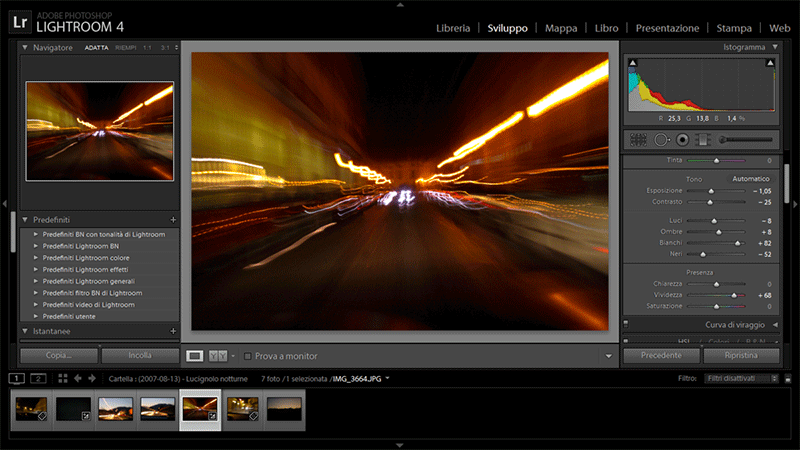
Adobe Photoshop Lightroom

It’s a photo editing software that is more suitable for amateur and enthusiastic photographer because of its lack of certain features such as the ability to add, remove or alter image appearance and also file management features. Nevertheless, it is a photo processor and organizer that is perfect for enhancing and improving the appearance of digital photographs. It supports Windows and Mac OS and with its excellent user interface that contains a lot of tools, it tops the list of one of the best editing software.
ACD See Ultimate

Ultimate is the photo editing software that supports Windows, MacOS and IOS. It has a ton of tools that will do better in the hands of a professional photographer. Its quick adjustment layers, organizing tools, raw photo editing tools make ACD See Ultimate the perfect photo editing software for you to create fast and incredible photos. It allows easy manipulation of photos with its filter, adjustment and effect tools. Among all others, its digital asset management allows you to easily find, sort, organize and share your photos after work.

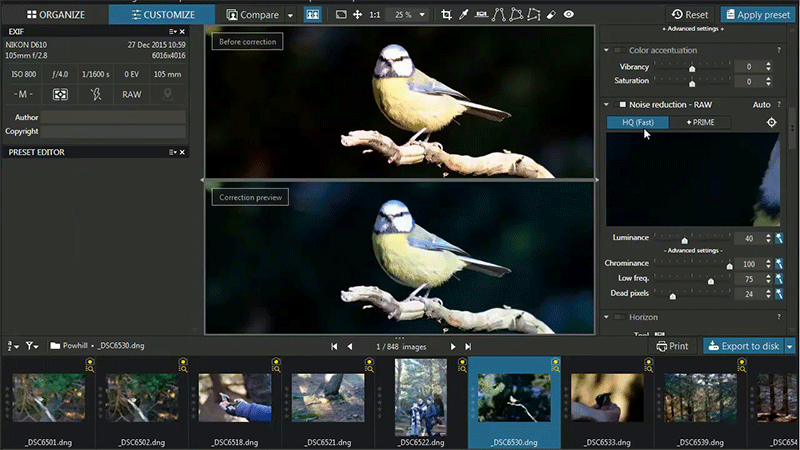
Optics Pro11

This is another professional photo editor that was developed by DxO Labs. It is majorly identified for its amazing optical corrections in photos. It’s easy user interface makes it one of the best choices of the finest photographers alongside with its ability to process raw files from the camera. It supports Microsoft Windows and IOS and has certain other features like a haze removal, noise reduction, highlight recovery and a lot of others that are known for their specific trademarked names.
Capture One Pro

This is the photo editing software that was developed by Phase One Company. It is very useful in professional situations because of its rather complicated features. Its raw file supporting feature makes it possible for you to tweak the images on your camera without causing any destructive damage to the files. It has a broad range of interesting tools that allows a photographer take complete control and advantage of the sorting, preserving and recovering processes involved in editing large amounts of photos in order to bring out the best in the photos.

November 9, 2017 0 comments
0 FacebookTwitterPinterestEmail
Photography ShowcaseTrends

Chris Giles: Shiplake Church And A Four Hat Tipi Wedding

by Mark Bailey December 7, 2016
written by Mark Bailey

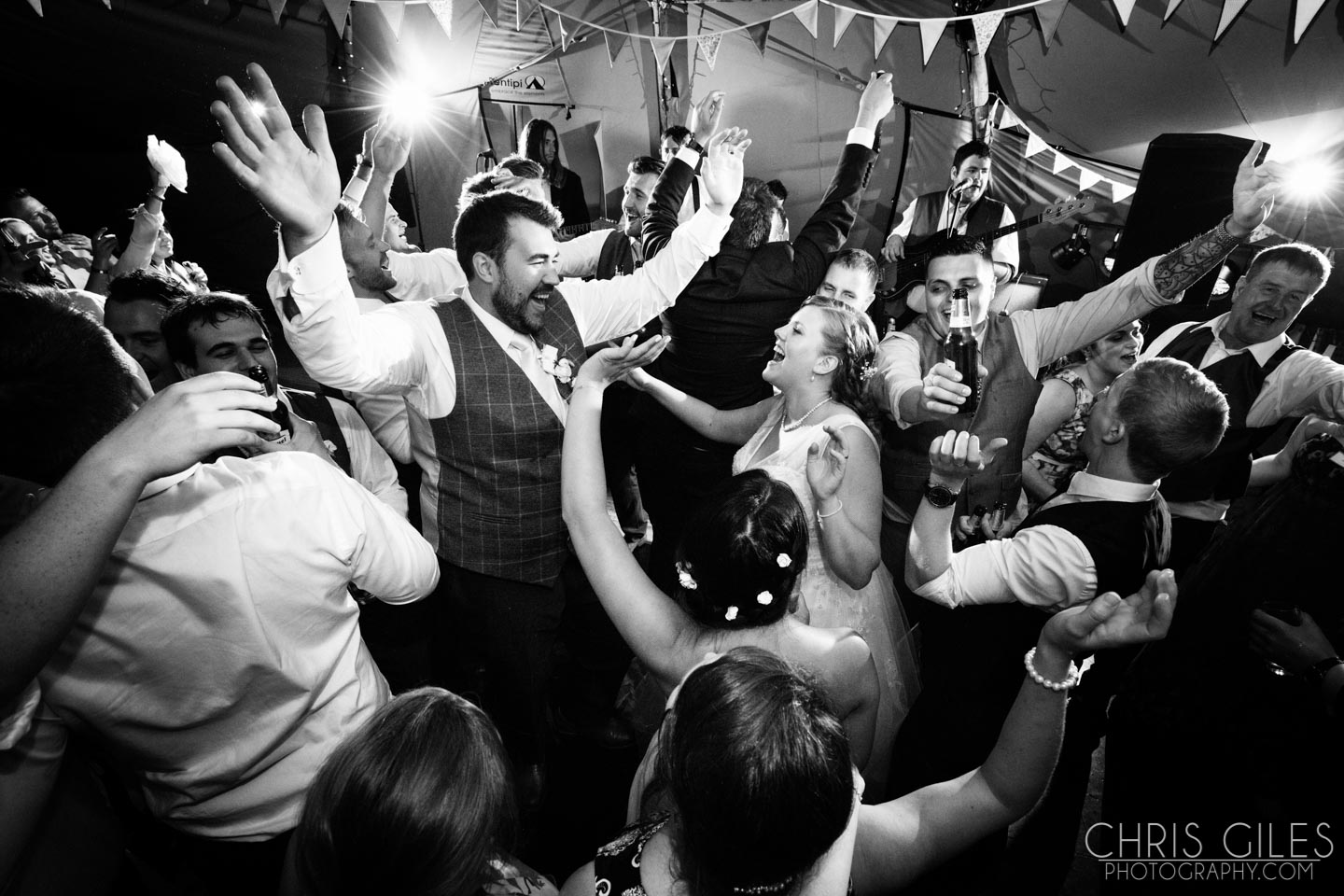
A massive party. That’s how I would sum up Keli and Marks tipi wedding.

They had a gorgeous four hat tipi which was only a couple of minutes away from Shiplake church ( in Henley on Thames ). There were two of us covering their wedding, I was covering Keli’s side and Greg the photographic Ninja was covering Marks.

We both had a lot of space to shoot in and there was lots of cool stuff surrounding us. The best wedding car I’ve yet to see, a classic american Thunderbird, blew my mind and as the prep was next to the Tipi it gave me the chance to look inside and imagine the awesomeness that was going to take place later on.

After the ceremony Greg rode shotgun back to the reception with the other guests on a trailer pulled by a tractor!

While this was happening we made a brief detour to the waterside where Mark originally proposed and had some photo time there. We didn’t stay too long, enough to get the photos we needed and not too long their guests would miss them.

December 7, 2016 0 comments
0 FacebookTwitterPinterestEmail
Photography ShowcaseRoundups

Upwaltham Barns By Chris Giles

by Mark Bailey December 7, 2016
written by Mark Bailey

Here is Kelly and Mike’s wedding from late March at Upwaltham Barns.

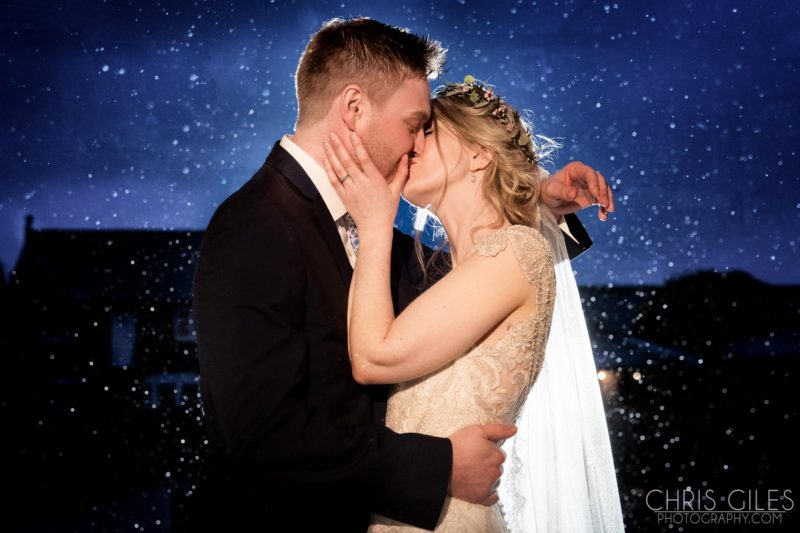
It was the time of year when you never know what the weather is going to do and fortunately the Barns lend themselves well to this and also for photos if it does eventually rain like above!

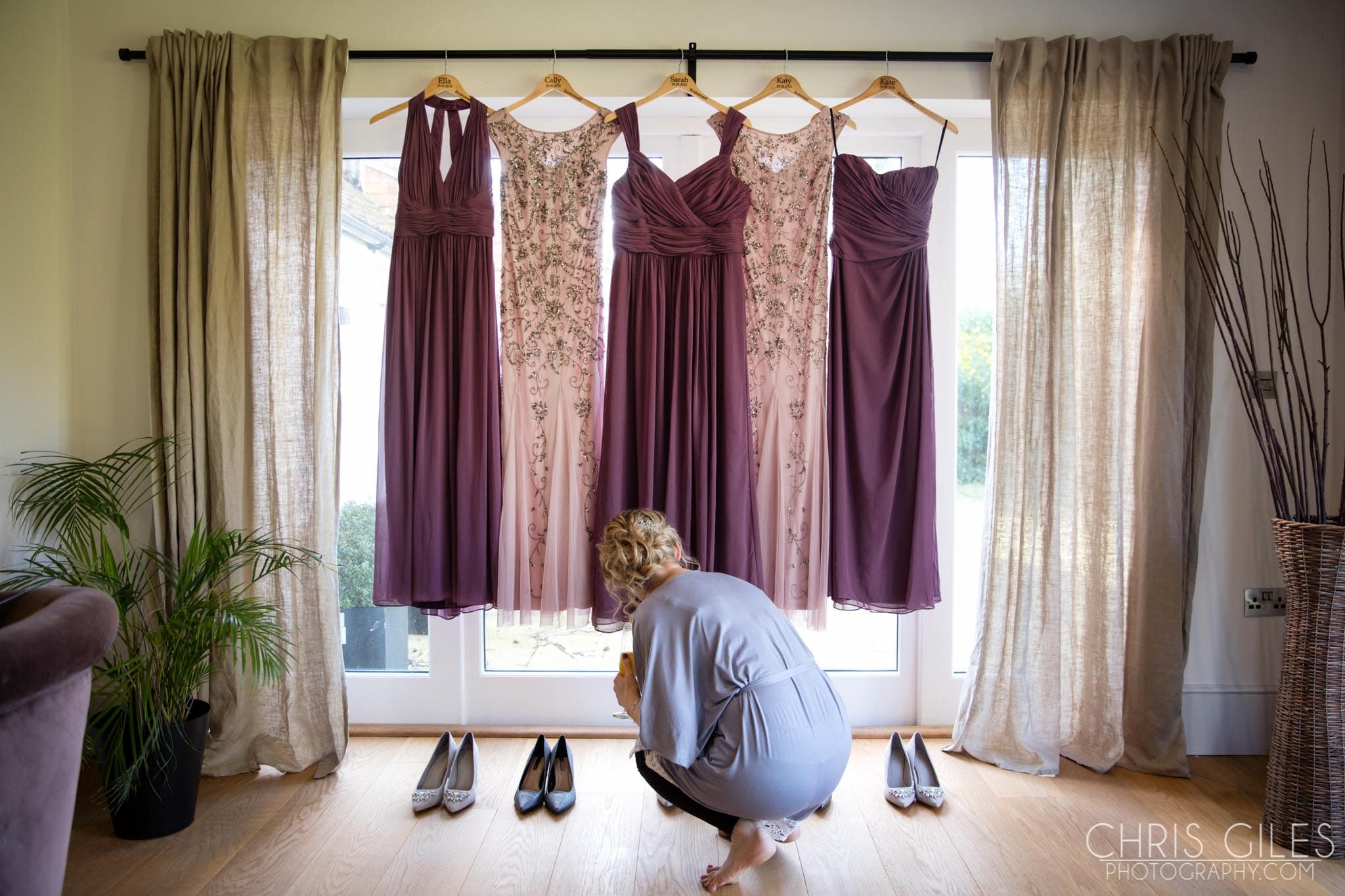
Kelly got ready with the girls up the road at Hollandsfield Lodge before finishing prep at the Jasmine cottage on site with their ceremony following shortly after.

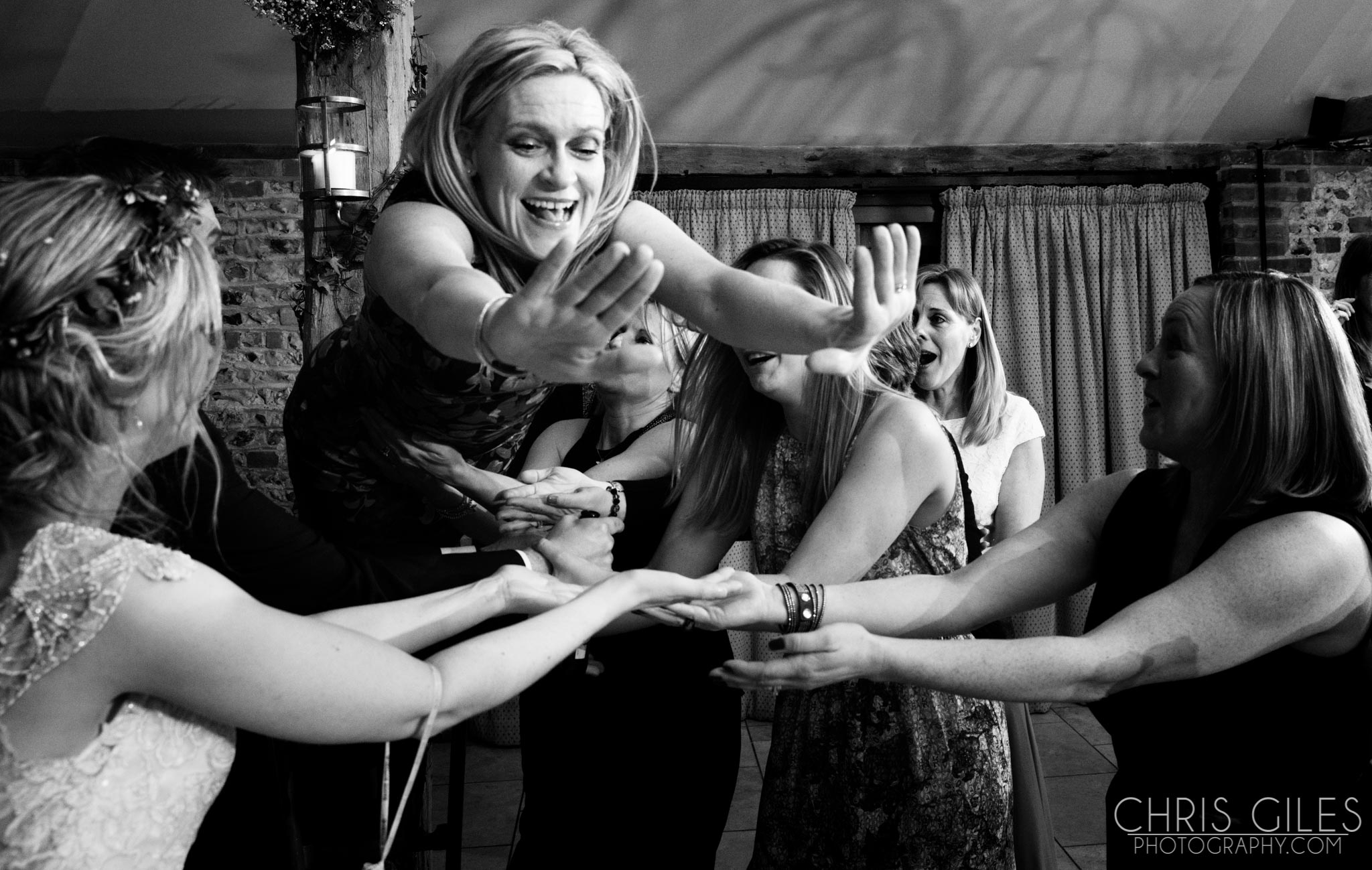
After about 9pm things start to get a little crazy on any dancefloor, that extra vodka, the ‘surprise Jagerbomb’ always seems to have a positive effect on the crowd…

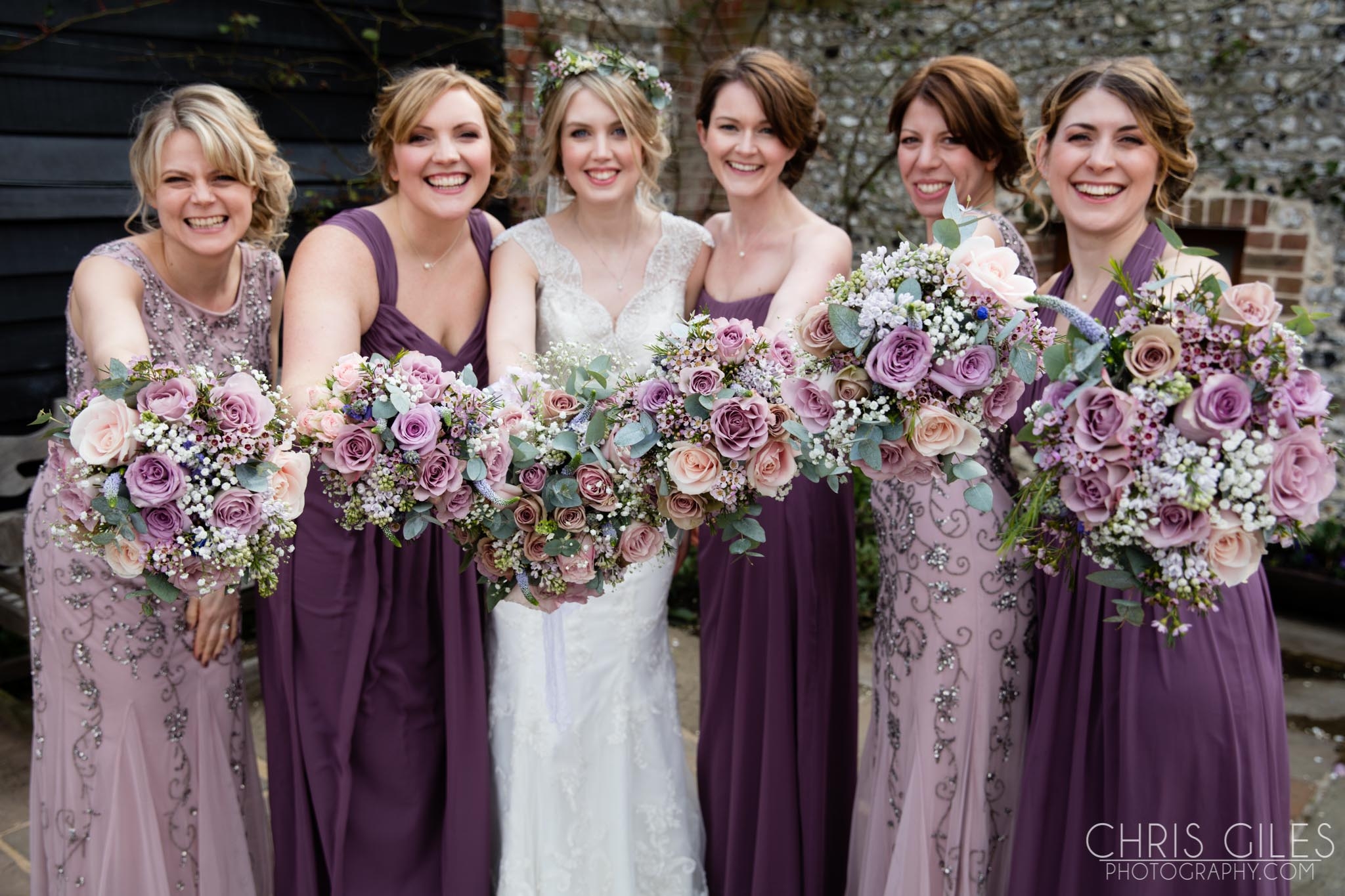
Here’s some more photos from Kelly and Mike’s wedding day:

December 7, 2016 0 comments
0 FacebookTwitterPinterestEmail
FeaturedPhotography ShowcaseTrends

Digital Photography and it’s Vital Role in Dentistry

by Mark Bailey August 6, 2016
written by Mark Bailey

By H. Peter Ku D.D.S. P.A.

Photography helps capture the world around us in hopes to share a moment with others – to stop and appreciate or investigate what is happening before us. These images help us stop and look within the frame of another’s view, so we can gain knowledge from a different perspective.

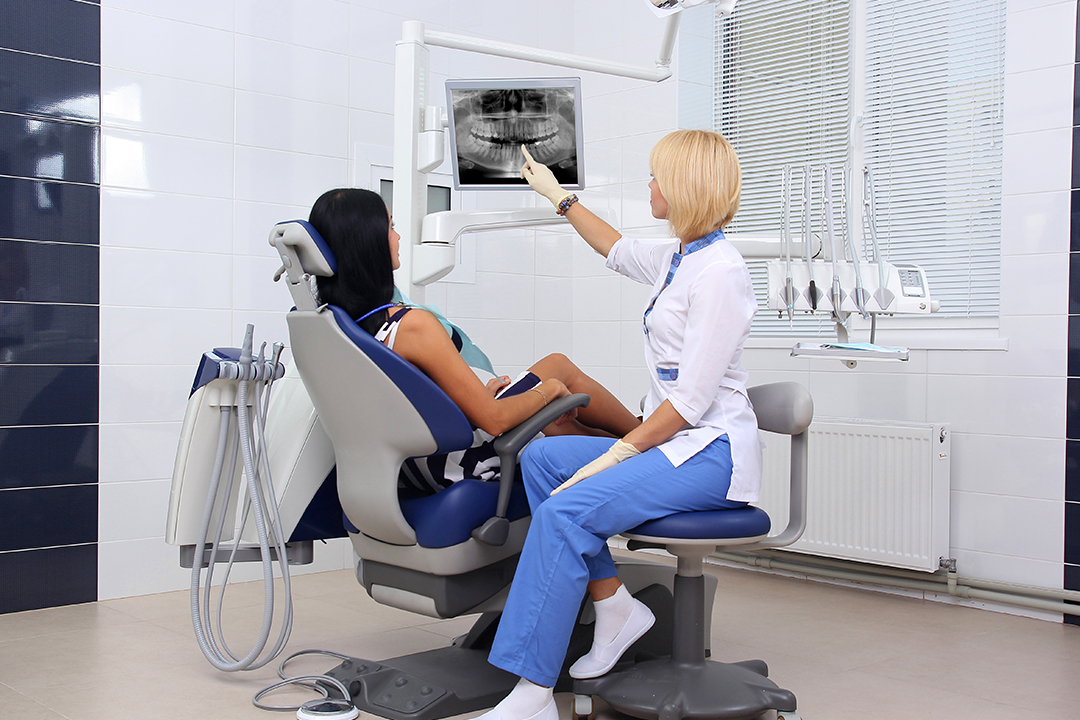
As time progresses, more and more upcoming technologies emerge that help us capture a clearer image. Oral health professionals embrace changing technologies when they capture the necessary images produced by dental x-rays. These x-rays help us gain information that would otherwise be unseen giving dentists the upper hand in treating your dental concerns.

Traditional x-ray photography

Your dentist uses x-ray photography extensively for taking images of your teeth, gums, and other invisible oral structures and conditions for providing you appropriate dental treatment. Traditional radiographic procedures used a chemically active plate as the sensor. The radiation passing through the examined tooth would impinge on the plate and affect the plate chemical in various locations to various extents depending on the radiation getting through. The plate was then chemically processed (in a wet process, normally called ‘washing’). The result was a dark plate which when held against light would show up an image. Areas which were more opaque to x-ray energy would show up as dark patches and those which passed x-rays more easily would show up brighter.

Digital X-ray photography

Modern technology has replaced the plate with electronic sensors which create the image immediately, doing away with the problems associated with the old (faithful) plate. The digital image is much like the image obtained in a modern digital camera- a soft image- that is, a set of ones and zeros, which is easily stored in any digital device.

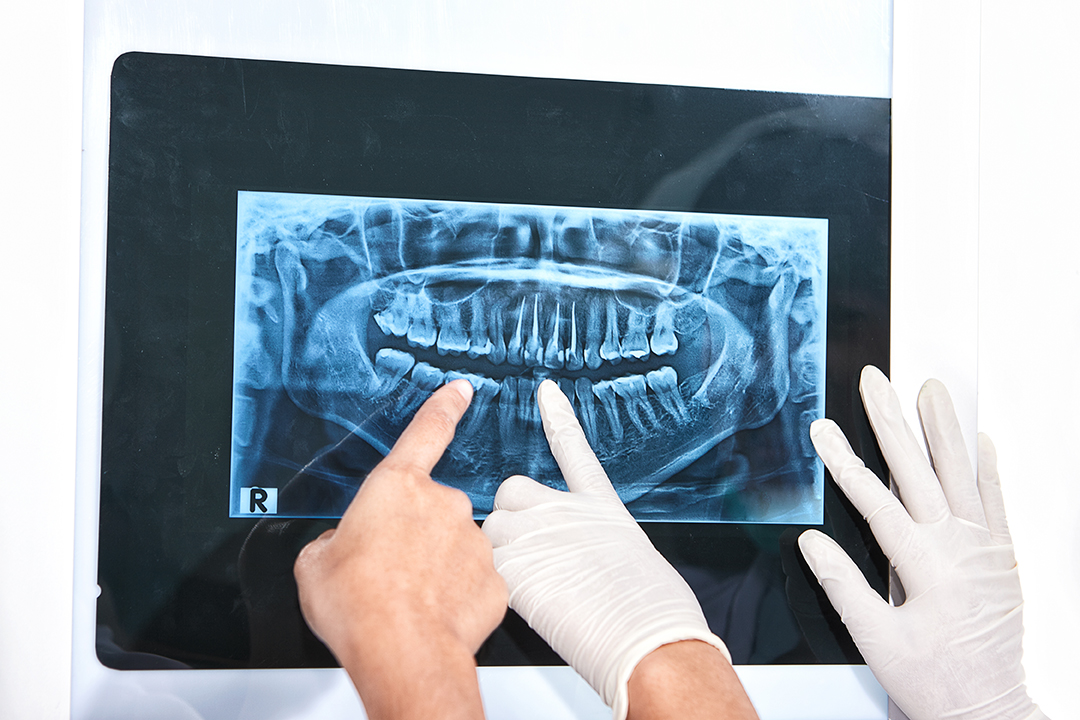
Dentist hand examining patient's teeth X Ray

Dentist hand examining patient’s teeth X Ray

Types of Digital Dental Radiographs

  • Digital dental radiographs are categorized as intraoral or extra-oral.
    Intraoral x-rays- Intraoral x-ray photos are taken with the sensor placed inside the mouth against the tooth or teeth to be radiographed. The source is placed on the outside. The x-rays provide fine detail over a smaller area, e.g. a single tooth, and are the most commonly used type.
  • Bitewing x-rays- are taken with the patient biting on a thin plastic handle between his teeth. The handle holds the sensor vertically inside the mouth against the target area. This type of x-ray is useful when both upper and lower jaws must be viewed together, for example, in checking for occlusion problems.
  • Periapical X-rays show a complete tooth from the crown to the root tips and the supporting bone. Unlike the bitewing a Periapical X-ray does not simultaneously show the upper and the lower teeth. It shows complete teeth (one or more) but of one jaw only.
  • Extra-oral X-rays- the x-ray source and the sensor are both outside the mouth. They cannot provide the detail provided by intraoral X-rays and are not used for dealing with individual teeth, like root canal. Rather they are used to detect a wider scenario, e.g., monitor jaw development, temporomandibular problems, etc. Types of extra-oral X-rays include:
  • Panoramic X-rays (Panorex) – the are also called OPG. The machine including the source and the sensor, rotates around the head, to capture the entire mouth, and all the teeth in each jaw, in one image. Panoramic X-rays are helpful in planning treatment for dental implants, jaw problems and impacted wisdom teeth, and also to diagnose bony cysts and tumors.
  • Multi-slice computed tomography (MCT) reconstructs in detail a particular “slice” of the mouth while ignoring blurring all other layers. This type of X-ray is useful for examining structures that are difficult to see clearly.
  • Cephalometric projections, can show the entire head, and help examine the teeth with reference to a patient’s jaw. A cephalometric projection is used by, orthodontists to develop their treatment plans.
  • Sialography is used to examine problems with salivary glands, which may be a simple blockage, or Sjogren’s syndrome (an autoimmune disease that can reduce saliva and tear production). The glands are injected with a radiopaque dye as a contrast agent and then x-rayed.
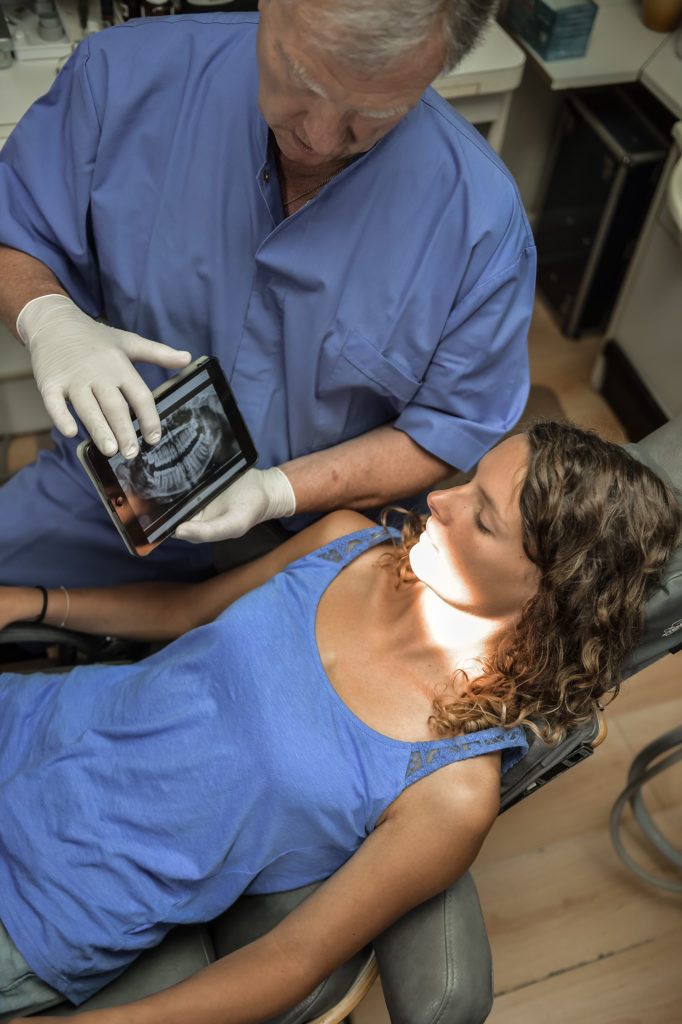
Dentist Office-Digital tablet with a patients x-rays

Dentist Office-Digital tablet with a patients x-rays

Cone beam computerized tomography (CBCT) or CT scans can show the interior structures as a three-dimensional image. The 3-D image is created by computer software from 2-D images taken from different aspects. CBCT is used to identify problems of facial bones like fractures or tumors. CT scans also are helpful in evaluating bone for dental implants and in difficult tooth extractions.

Benefits of Digital Dental Radiography

  • The results are instant, and can be viewed on screen or printed. No chemical processing is required.
  • Quick availability aids in patient comfort.
  • Storage and retrieval is very convenient.
  • Can be transmitted easily for review, comment, and lead to faster insurance settlements.
  • During viewing the image can be magnified, rotated, contrast enhanced etc.
  • As chemicals are avoided the digital imaging is eco-friendly.
  • Digital x-rays normally demand less exposure to radiation.

In a world of technology several inventions and innovations allow for new groundbreaking discoveries. Whether you are capturing the perfect family memory or maintaining those pearly whites photography is key.

August 6, 2016 0 comments
1 FacebookTwitterPinterestEmail
FeaturedPhotography ShowcaseShowcase

Behind the Mask By Robert MacNeil

by Mark Bailey June 20, 2016
written by Mark Bailey

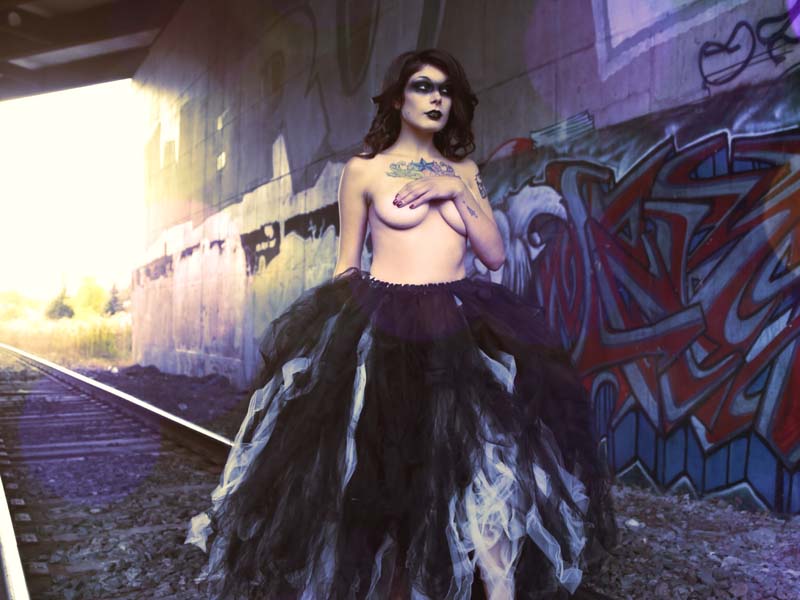
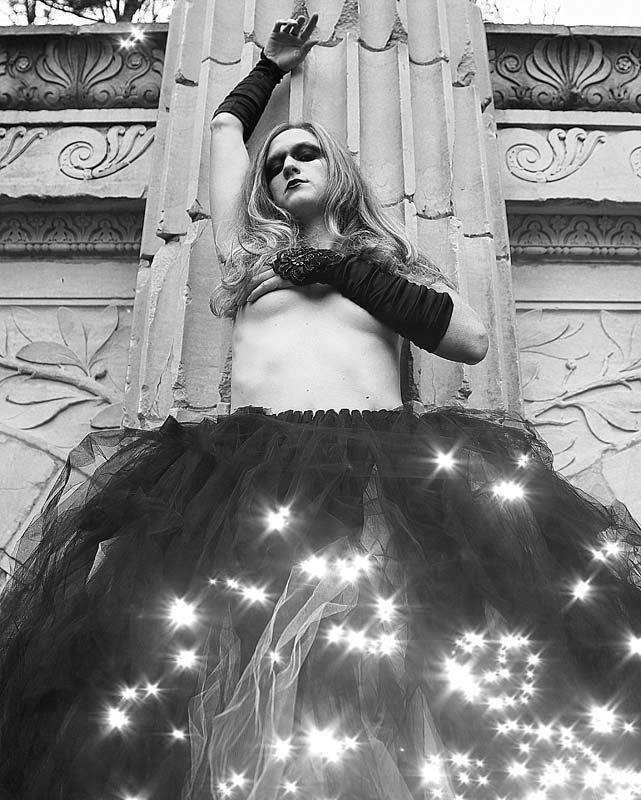
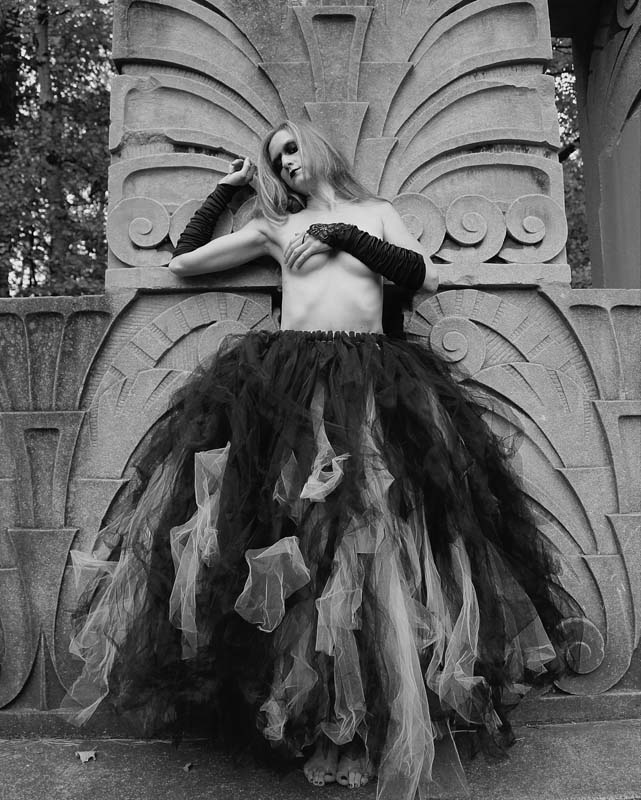
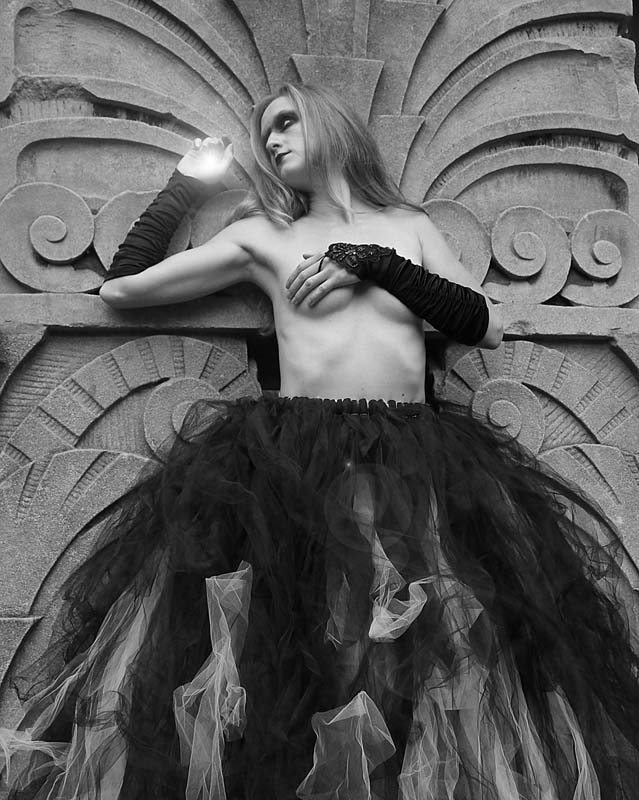
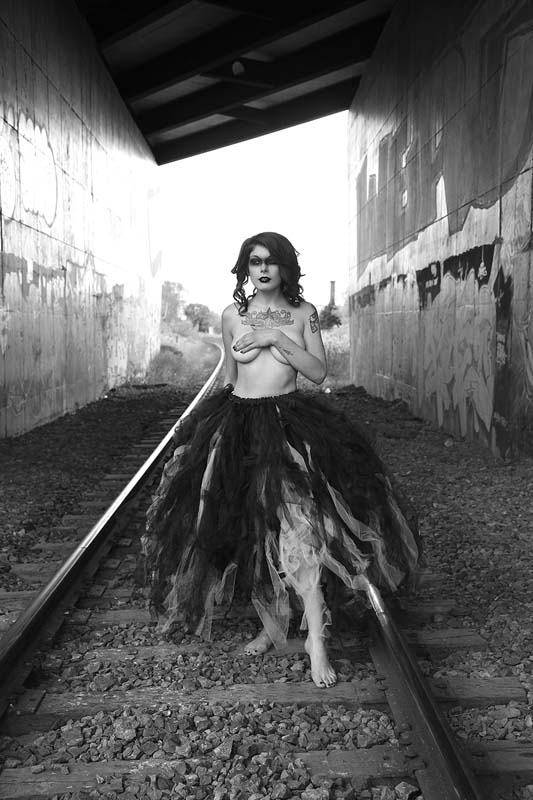
“We live our lives, behind a mask, never truly showing who you are to others for fear of being rejected or judged. I wanted to focus on what hides behind beauty and what we consider beautiful as a society. What do you see? Two beautiful women, one dark haired, art covering her body and you think you know her? The other, a tall statuesque blonde, standing proud but that’s just the mask they both wear. One is terrified of how people perceive her, the other couldn’t care less. Do you think you know which is which. One raises cows and loves them, the other has an amazing sense of humour and will make you laugh for hours, but what do you see? You see the mask we all wear but not what is BEHIND THE MASK.”

 Models: Tyla Tessier and Elena

Photographer: Robert MacNeil www.robmacneil.com

June 20, 2016 0 comments
0 FacebookTwitterPinterestEmail
Photography Showcase

Vintage Cameras

by Mark Bailey November 23, 2015
written by Mark Bailey

This week, I stumbled upon a wonderful photographic shop when I was in Leeds. Vintage cameras were the only items that were sold in that shop, including the Zenith SLR. When I was seventeen that was my first SLR, and I couldn’t forget it because it was a very remarkable device. The camera was cheap and nothing could ever stop it working. I can prove that to you by giving you an example of a situation that happened to me once. I purchased a Russian telephoto lens that it seemed like it was made of uranium and one time I left the camera and the lens on my car’s roof. I didn’t notice they were there and I just drove off. Then at some point I looked at my rear-view mirror and I saw the lens and camera in the road behind me tumbling along. The camera was fine apart from some deep scratches and dents. The lens was okay too, though it felt like a pepper grinder when you zoomed in. Somewhere now, the camera is probably in a land-fill and as soon as someone finds it, it will be ready to take some pictures.

Continue Reading
November 23, 2015 0 comments
0 FacebookTwitterPinterestEmail
Photography ShowcaseReviews

Review of Digital Camera Sony A7s

by Mark Bailey November 1, 2015
written by Mark Bailey

Since the release of Sony A7r and A7 it has been almost a year and during that time a lot of customers have jumped in and bought one or both A7 cameras. While keeping the weight way lighter than a DSLR camera and the size small, they have provided an opportunity for photographers to experience a full frame sensor performance. Overall, the A7 series has been terrific even though from time to time they have had their problems and quirks.

I loved the cameras when I tested and shot the A7r and A7, because they were very capable devices that were extremely versatile and had features that allow you to use 3rd party lenses, such as Nikon lenses, Canon lenses, Leica lenses, etc. We can get that look of a creamy shallow depth of field with the full frame sensors and it was very cool to have these capabilities in a nicely made and small body. When compared to other current cameras from companies like Pentax and Olympus, the main problems with the A7r and A7 is that they were a bit slow to Auto Focus. In addition, when compared to other FF offerings such as the RX, while very good in high ISO and low light, they are not the best. They weren’t “WOW” in low light, while nice in low light. In comparison to the previous RX1, the high ISO voice was worse and the AF would be a bit slower.

Continue Reading
November 1, 2015 0 comments
0 FacebookTwitterPinterestEmail
banner

Categories

  • Advice (36)
  • Brands (13)
  • Camera Bag (10)
  • Featured (13)
  • Features (1)
  • Marketing (14)
  • Online (6)
  • Photography Showcase (7)
  • Reviews (12)
  • Roundups (4)
  • Showcase (8)
  • Tips and Techniques (21)
  • Trends (14)
  • Uncategorized (1)

About Us

DC Mag is packed with expert advice, inspirational images, digital photography tips and techniques, photo editing lessons and video tutorials. This includes reviews, digital camera best buys, buying advice, news and more...

Editors Picks

  • 1

    The Most Influential Thought Leaders in the Digital Marketing Industry

    February 13, 2016
  • 2

    Unleash Your Digital Business

    February 13, 2016

Keep in touch

Facebook Twitter Pinterest Tumblr Youtube

@2022 - Dcmag. All Right Reserved.


Back To Top
DC Mag
  • Home
  • Advice
    • Photography Showcase
    • Tips and Techniques
  • Brands
  • Reviews
  • Roundups
  • Trends
  • Camera Bag
  • Marketing
  • Online
  • Contact Us